



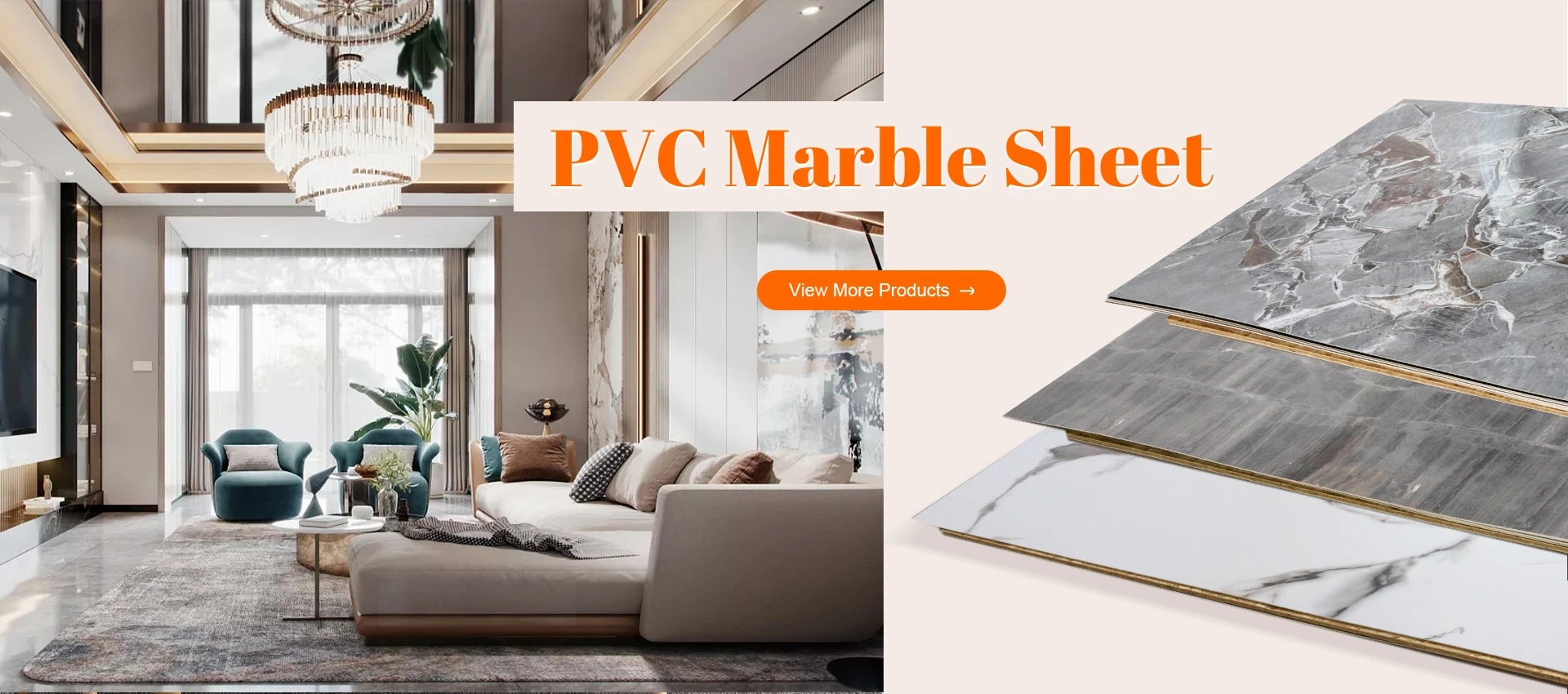
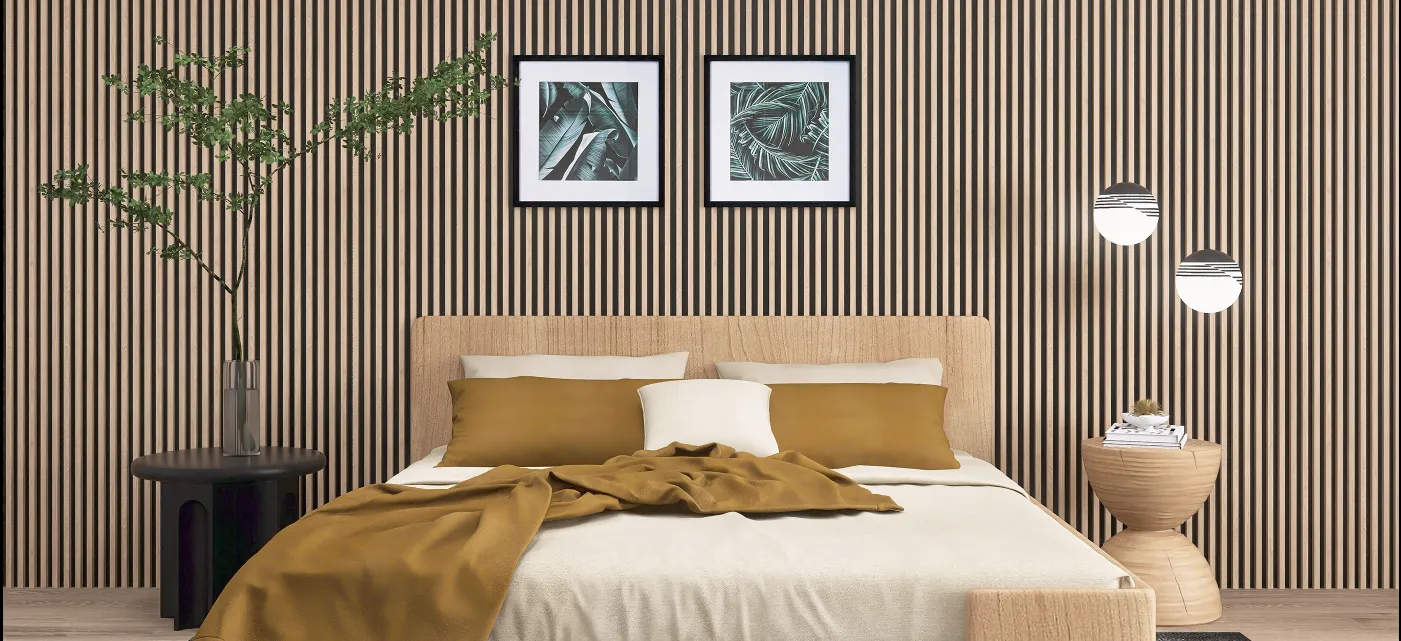
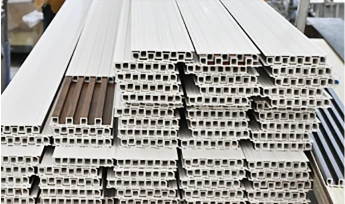
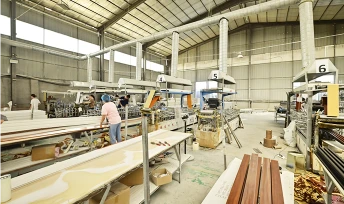
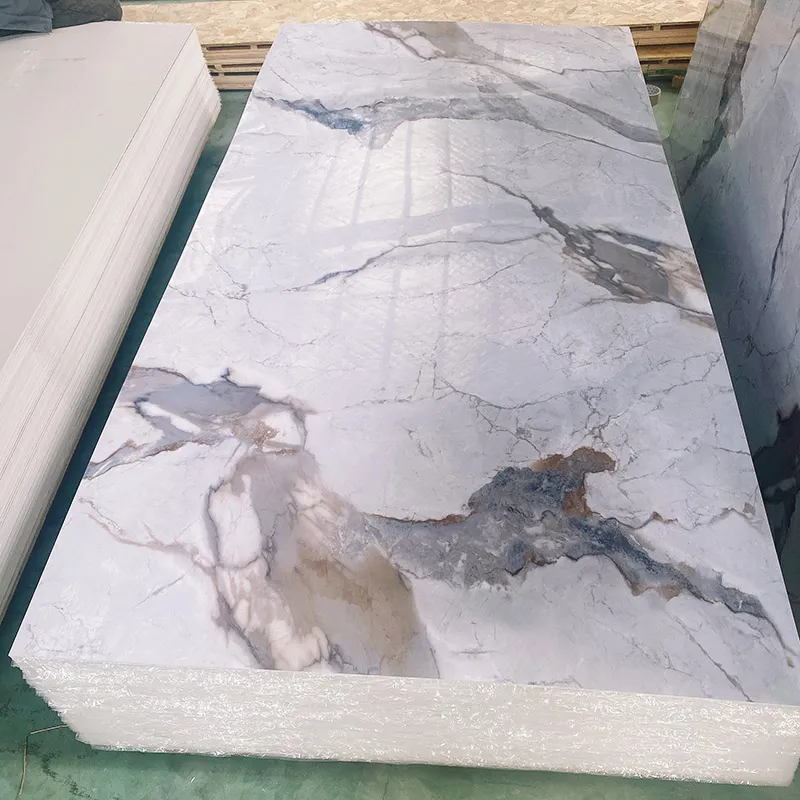
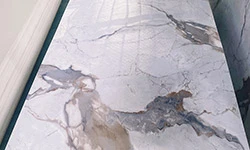
PVC Marble Sheet: A Field Note From Inside the Decorative Surfaces Market When designers ask me about an Artificial Marble Sheet that actually looks premium, I usually point them to PVC marble sheets. They’ve surged as a smart substitute for stone—lighter, faster to install, and friendlier on budgets. Many customers say the tactile feel is surprisingly close to real marble; to be honest, I thought so too when I first ran a hand across a UV-cured surface in a hotel lobby mock-up. What It Is (and Why It’s Trending) The PVC Marble Sheet from Sothink Decor (origin: Room 709, Gelan Business Building, Xisanzhuang Street, Shijiazhuang City, Hebei Province, China) imitates natural marble using printed film and a tough UV topcoat over a rigid PVC core. Architects lean on it for rapid fit-outs—retail, hospitality, and multi-family—because installation is fast and there’s no stone dust mess. Market trend? Shorter renovation cycles and tighter CAPEX. This is where Artificial Marble Sheet solutions shine. Process Flow (Real-World Factory Steps) Materials: PVC resin (K≈66–68), CaCO₃ filler (≈200–400 mesh), Ca-Zn stabilizers, ACR/CPE impact modifiers, decorative film, and UV-curable topcoat. Methods: dry blend → twin-screw extrusion → calendering → hot lamination of marble film → UV coating and curing → trimming → QC. Testing typically includes adhesion (cross-hatch), abrasion (Taber), surface burn performance, VOC emission screening, and dimensional stability. Service life indoors: around 10–15 years depending on traffic and cleaning regimen. Specifications (Typical) Parameter Typical Value Test / Standard Thickness 2–9 mm (custom up to 12 mm) Internal QA Density ≈1.45 g/cm³ ISO 1183 Surface Hardness Shore D ≈ 75–80 ISO 868 Flexural Modulus ≈2000–2500 MPa ISO 178 Abrasion Loss ≤ 80 mg/1000 cycles (Taber CS-10, 1 kg) ASTM D4060 Fire Performance Class B-s1,d0 (typical, varies by build) EN 13501-1 Surface Burning Flame spread ≤ 75; smoke dev. ≤ 450 ASTM E84 VOC Emissions Low-VOC; GREENGUARD-style targets ISO 16000 (lab) Note: values are representative; real-world use may vary by thickness, film, and topcoat. Applications, Advantages, and Feedback Use cases: hotel lobbies, elevator cabs, retail walls, bathroom feature walls, reception desks, and column wraps. Advantages include light weight (no heavy hoisting), fast install (score-and-snap; PU or MS polymer adhesive), consistent patterns, and easy maintenance (mild detergent; no sealing). One contractor told me, “We shaved two nights off a lobby refit—no stone dust, no wet trades.” Vendor Landscape (Quick Take) Vendor MOQ Lead Time Customization Certs (typ.) Price Index Sothink Decor ≈ 300–500 m² 15–25 days Patterns, size, gloss, thickness ISO 9001/14001, RoHS/REACH $$ Vendor A ≈ 800 m² 25–35 days Limited patterns ISO 9001 $ Vendor B ≈ 500 m² 20–30 days Color & gloss only CE, ISO 9001 $$$ Price Index: $ (lower) to $$$ (higher). Data reflects typical market positioning; check current quotes. Customization & Compliance Customization spans vein patterns (Calacatta, Emperador, onyx styles), gloss levels (matte to high-gloss), thickness, and edge treatments. For compliance, spec projects often request ASTM E84 reports, EN 13501-1 classification, and low-VOC data; certificates like ISO 9001/14001 and RoHS/REACH declarations are typically available upon request. For healthcare, I guess it’s wise to verify cleaning chemical compatibility and smoke development ratings upfront. Mini Case Files Boutique hotel lobby: 320 m² installed in 3 nights; estimated 28% cost cut vs. natural marble; noise and dust complaints dropped to near-zero. Retail rollout (8 stores): standardized Artificial Marble Sheet finish; 12-day total install window met by parallel crews with pre-cut panels. Elevator cab refresh: 24 cabs in 2 days; panels bonded to metal backers with MS polymer adhesive; no elevator downtime during business hours. Quick Install Tips Dry-fit first, leave ≈2–3 mm expansion gap, use PU/MS polymer adhesive, and finish with matching trims. Routine care: soft cloth + neutral cleaner—avoid abrasive pads. That’s it. Citations ASTM E84: Standard Test Method for Surface Burning Characteristics of Building Materials. EN 13501-1: Fire classification of construction products and building elements. ISO 178: Plastics — Determination of flexural properties. ISO 16000 series: Indoor air — Airborne VOC emission testing methods.
News & Article
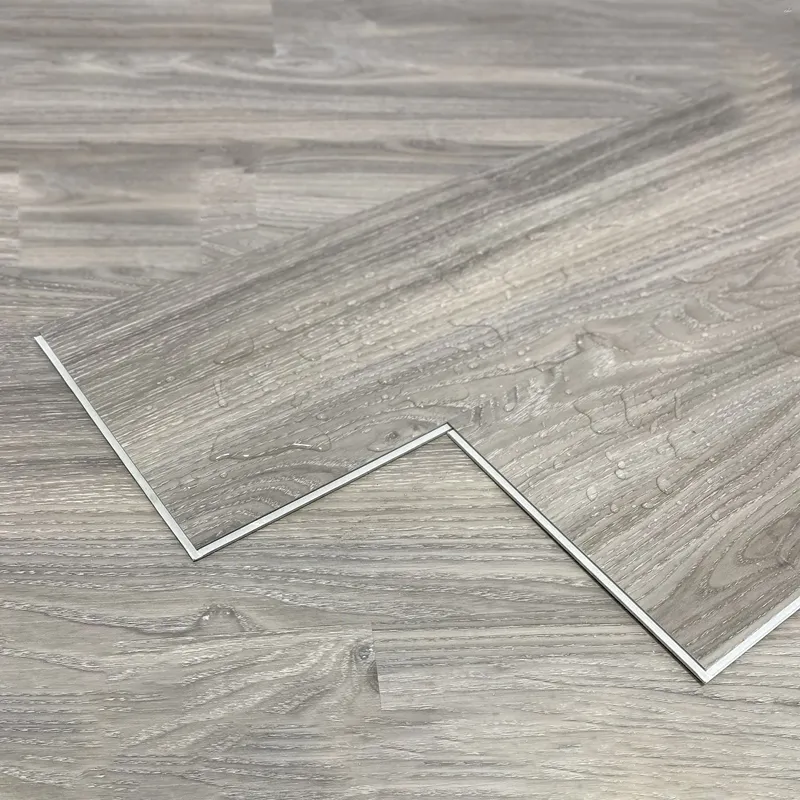
SPC Flooring has revolutionized the flooring industry with its unique combination of durability, aes
The Ascent of Wood Plastic Composite (WPC) in Modern Construction The global construction and interi
Modern kitchens increasingly feature flexible marble sheets and interior PVC marble sheet solutions

Shijiazhuang Sothink trading Co., LTD.
Our company focuses on product development, production, sales and other all-round services, and is committed to providing customers with high-performance products and high-quality services.





Leave Your Message

 +86 31185293045
  qian@ss711.com